
An unhealthy lifestyle, a rise in smoking and alcohol consumption, and dietary irregularities are some factors resulting in increased nephrological and urological disorders like chronic kidney disease (CKD), with 8 to 16 percent of the population suffering from the disease. This rise is anticipated to increase the demand for nephrology and urology medical devices in the coming years. The global market size, in that regard, is expected to reach $9.44 billion by 2030, expanding at a CAGR of 6.8 percent.
The market’s competitive landscape in nephrology and urology devices is shaped by the need for affordable, reliable, and portable equipment. Adopting technologies like big data and artificial intelligence (AI) are greatly helping in providing that. AI-assisted handheld 3D ultrasound device, for instance, is being used to conduct renal sonography at the point of care, which is helping more patients be accurately diagnosed and treated with chronic kidney disease. Point of care renal 3D ultrasound device also allows medical professionals to screen and diagnose problems wherever a patient is treated, from a doctor’s office, community hospitals, and ambulances, to remote communities.
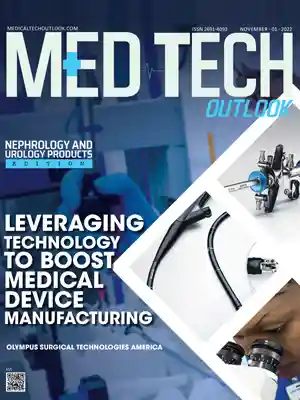
To put the spotlight on many more key developments in the industry, MedTech Outlook illustrates how the nephrology and urology devices space is leveraging the newest tech trends and devices to empower patients. This edition also features thought leadership articles from subject matter experts. Some of the exclusive insights are authored by Toufic Kachaamy, medical director of gastroenterology at Cancer Treatment Centers of America, Shraddha Bhatia, clinical director, physical therapist, board-certified orthopedic specialist at Mount Sinai Health System, and Fernando Kim, chief emeritus of urology at Denver Health and professor of surgery/urology, school of medicine at University of Colorado Anschutz medical campus. They shed light on making telehealth a part of their solutions, patient empowerment, and laparoscopic surgeries using roboticstechnology.
In this edition of MedTech Outlook, we also bring to you the story of the top nephrology and urology solution providers leveraging non-invasive remote monitoring of renal patients. In the list, Alio stands out for its non-invasive and cost-effective technology using AI to monitor patients undergoing hemodialysis.
Through the following pages, we aim to shine a light on the innovative trends and latest developments in the nephrology and urologyindustry. We would like to know your thoughts.